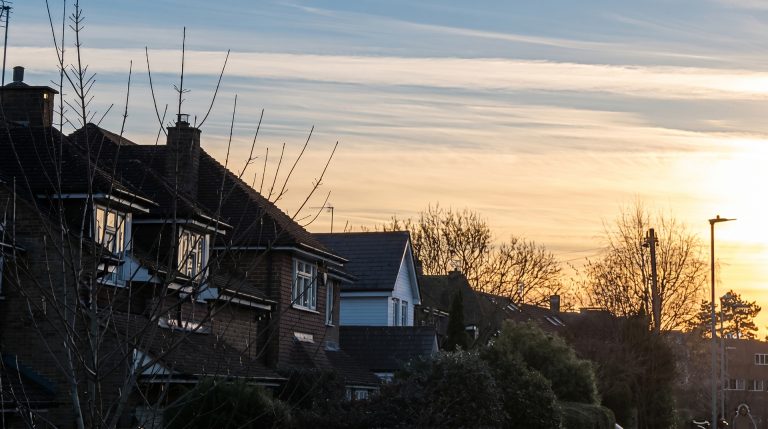
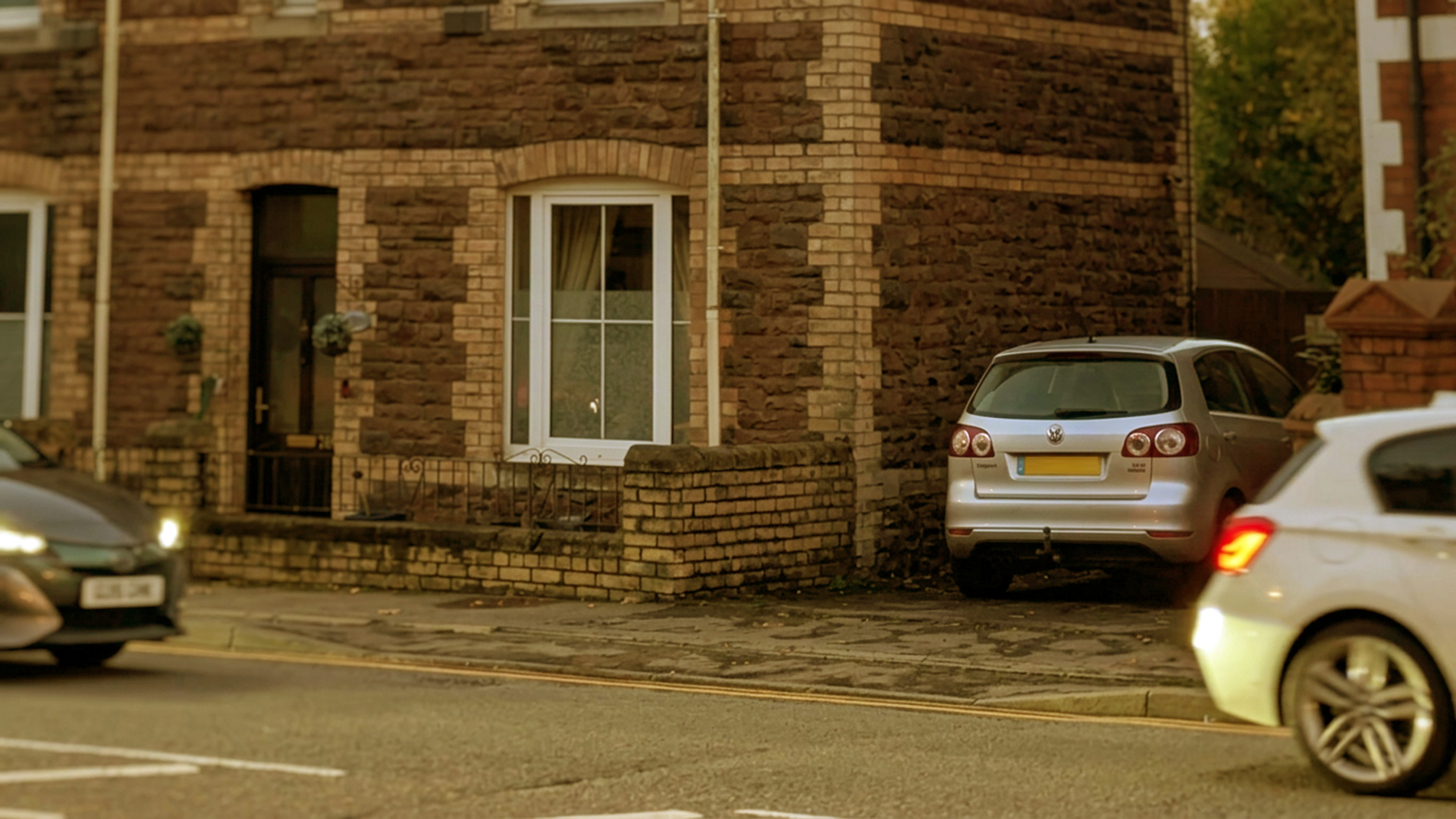

Living in the UK, one quickly becomes well-acquainted with two deeply entrenched cultural phenomena: the weekend frenzy of football match days, and the ubiquitous, often vacant driveways fronting traditional Victorian or Edwardian houses.
When these two elements collided, it sparked the rise of JustPark, one of Britain’s most celebrated resource-sharing applications. Its premise is brilliantly straightforward: on match days, parking near stadiums becomes an absolute nightmare, yet nearby residents possess empty driveways. By listing these spaces online, homeowners pocket some extra cash through free trade while solving a logistical headache for supporters.
Yet, this everyday revolution now sweeping through British neighbourhoods actually found its first spark of inspiration across the Atlantic, at an American baseball game.
In 2003, a young Brit visiting San Francisco found himself driving around in circles, desperately hunting for a parking spot outside the stadium. Just as despair set in, he noticed the dozens of completely empty driveways fronting the American houses nearby. This simple pain point, born outside an American ballpark, was subsequently brought back to the UK. It found its perfect incubation soil within the madness of the English Premier League and the vacant spaces surrounding Britain’s historic brick houses.
On the surface, this reads like just another “right place, right time” story of transnational innovation. But when you look beneath the surface of British social structures, this modest smartphone interface is quietly igniting a revolution against corporate monopolies.
Bypassing the Bureaucratic Red Tape
Anyone who has navigated the UK housing market knows the historical baggage associated with property here. Whether letting a flat or leasing a commercial plot, the process is notoriously bogged down by archaic procedures, endless legal paperwork, and estate agents charging exorbitant fees. It is a time-consuming, expensive system designed to keep ordinary citizens beholden to established institutions.
The parking sector is no exception. Because of its sheer profitability, public parking in the UK has long been carved up by corporate giants and predatory, poorly managed private parking enforcement firms. Dominating prime locations, these cartels impose aggressive pricing and punitive fines, reaping immense profits from a captive audience.
The true significance of JustPark lies in its decentralisation:
- Direct Deals: Homeowners and motorists connect directly, cutting out the middleman entirely.
- Physical Liberation: With a few taps on a screen, flexibility is unlocked on 30 minutes basis. The centuries-old red tape of formal leases and rigid covenants simply dissolves in the face of peer-to-peer technology and mutual trust.
This is more than mere convenience; it is the reclamation of market sovereignty by the individual.
A Leaderless Space for Freedom
Naturally, the corporate monopolies have not taken this lying down. Property management companies and freeholders frequently deploy restrictive covenants and administrative threats to clamp down on the “free” leasing of residential spaces. In many managed estates, residents might not technically hold the absolute right to sublet their bays.
Naturally, the corporate monopolies have not taken this lying down. Property management companies and freeholders frequently deploy restrictive covenants and administrative threats to clamp down on the “free” leasing of residential spaces.
However, the soil of freedom inevitably nurtures weeds. Within these relatively relaxed terms and regulatory grey areas, bad actors inevitably emerge to abuse this liberty. Masquerading as unauthorised “proxy managers”—sometimes without even holding any right to the space—they exploit the system with a purely opportunistic, “take the money first” mindset. This element of chaos and bad faith is the inevitable shadow cast by any decentralised ecosystem.
This operates as a leaderless, fully decentralised ecosystem. In the tight gaps between corporate dominance and rigid regulation, ordinary citizens have carved out a low-barrier space for economic freedom. This quiet defiance—rooted in mutual consent and shared risk—forms a resilient civilian front.
Innovation Requires a Rebellious Soil
Observing the triumph of JustPark in the UK invites a poignant contrast with other societies across the globe.
In heavily regulated or overly compliant cultures, such innovation is often strangled in its cradle. Authorities dominated by a “caretaker mindset”—or petty bureaucrats flexing minimal power—instinctively brand any non-conformist solution as “disorderly” or “illegal.” They would sooner watch valuable resources sit idle than allow a breach in corporate monopoly, actively vilifying alternative choices or funneling the opportunities back into the hands of vested interests through collusion.
To see a creative idea flourish freely and succeed within a society is never a matter of mere luck or technical capability.
It demands a foundational soil where the populace possesses a collective consciousness of freedom and a rebellious spirit willing to push boundaries against authority. Without this cultural grit, the most brilliant piece of innovation will always be reduced to forbidden code by the wardens of the status quo.
Conclusion
JustPark demonstrates that genuine progress is rarely handed down from above; it is forged from below.
When you walk down a British street and witness a car smoothly pulling into a neighbor’s driveway, you are looking at more than a commercial transaction. You are witnessing independent individuals reclaiming agency from institutional monopolies. This daily, half-hourly practice of freedom is, in essence, the most captivating highway where liberty gallops across this land.
he Background and Founding Story of JustPark
The Founder and the Inspiration
JustPark was founded in 2006 by British entrepreneur Anthony Eskinazi (originally named ParkatmyHouse). His inspiration stemmed precisely from a sporting event—while experiencing immense frustration trying to find a parking space near a football stadium, he noticed countless residential driveways sitting completely empty all around the venue. This simple pain point gave birth to a sharing-economy platform that would ultimately disrupt the traditional parking industry.
The Momentum of Public Capital
In 2014, the company was officially rebranded as JustPark. Soon after, it launched a historic equity crowdfunding campaign on Crowdcube, a prominent British crowdfunding platform, securing financial backing from thousands of everyday British citizens—many of whom were driveway owners or motorists themselves. This “funded by the public, serving the public” model was, in itself, a real-world exercise in collective financing rising up against traditional monopolies.
Listing Status
JustPark is not a publicly traded company (Non-PLC). In April 2024, JustPark completed a landmark merger with ParkHub, a major US-based parking technology provider. This strategic combination created a massive transatlantic private parking tech entity, backed by the private equity firm Luminate Capital Partners. As such, it has bypassed the traditional IPO route on the London Stock Exchange, preserving its agility and peer-to-peer nature as a privately held disruptor.
Turnover and Market Scale
Financial Scale: As a private entity, JustPark’s exact net turnover is not publicly disclosed in quarterly earnings. However, according to official corporate statements surrounding its merger and growth metrics, the platform processes a Gross Booking Value exceeding £100 million annually. To date, the platform has served over 13 million drivers across the UK, unlocking significant economic value directly for hundreds of thousands of independent driveway owners.
JustPark Official Homepage
- Link: https://www.justpark.com/
- The live platform displaying how millions of British drivers instantly connect with private driveway owners to bypass commercial parking operators.
The Story & Mission (About JustPark)
- Link: https://www.justpark.com/about
- Details the founding journey of Anthony Eskinazi in 2006 (originally as ParkatmyHouse). It highlights their mission to unlock underutilised space and their record-breaking equity crowdfunding campaigns that allowed regular citizens to become shareholders in this everyday revolution.